Business Buyer Behaviour Process. Organizational buying behavior also called business buying behavior or organizational buying decision is the behavior of organizations while buying products or services that may buy such. Organizations that purchase goods and services for use in the manufacture of other products and services that are sold, leased, or supplied to others.
PPT Business Markets and Business Buyer Behavior PowerPoint from www.slideserve.com What is a Business?
The term "business" refers to a specific type of organization that is organized to assist a client. The principal objective of any business is profit but there are a variety of purposes that can be achieved by the company. At the end of the day, the final goal of business is to satisfy its customer's wants and needs. As Peter Drucker argues, this is the most accurate concept of business. Without clients company cannot last.
Internal functions include the activities carried out within the organization
Internal activities are performed within an organization in order to accomplish a specific set of goals. They may involve policies and procedures. In order to make them effective, rules and regulations must be designed and implemented with care and shared throughout the company. The top management of an organisation should communicate that the obligation to manage errors and risks is critical issue and internal control must be at the top of the list. Additionally, every employee must have a clear understanding of their roles in internal control and have the means to convey important information to the upper levels.
Marketing and sales activities are examples of internal duties. Sales managers are responsible for ensuring their products and services reach consumers at the right time. They must also ensure that they reach every area in which they are targeted. Apart from these primary work, internal departments include support functions that enable the internal and external business processes to run smoothly. The managers of these functions give data to the management so that they can take strategic decisions.
Internal controls aid in preventing errors they also protect information and ensure that fraud is not a problem. Without internal controls, financial reports are uncertain and operational efficiency could be impaired. Additionally, they may impact the reputation of the company. This is why it is vital to develop internal controls to ensure the accuracy of the financial statements of the company and avoid theft and fraud.
Profit is the metric used to determine success of a business
Profit can be measured in both absolute and relative terms. In terms of absolutes, profit is the amount earned for a certain amount of time. It is a relative term, meaning that profit refers to the amount of profit that is earned as a percentage of revenues. Profit is an important indicator for business, as it acts as an incentive towards investing and taking risks.
Profitability is the main goal of every business. Without it, a business will fail. Profitability is determined by two factors which are expenses and income. Revenue is the revenue earned from the sale of a product or service. It doesn't include the expense of acquiring capital. Costs are the expenses of running the company.
Profit is a financial gain that a company earns after deducting expenses. The greater the profit margin and the higher the profit margin, the better the company's performance. Another crucial metric is the amount of customer satisfaction. A high level of satisfaction can help a firm enhance its services and products. Newsletters via email, polls and customer survey are common ways of gathering this information.
Profit does not define success. It's different to diverse businesses. A high-street shop can be successful if it is in the position of breaking even, or when it generates an income of around PS2,000 per week. The achievement of breaking even is significant for a company in its initial year, but it's not an indicator of successful.
Business is an uncertain business
There are four phases in the business cycle. Each phase is different in the duration of its effects on the economy, such as unemployment rates, inflation and the consumption of consumers. These cycles are monitored by central banks and are one of the primary factors that affect their monetary policies and interest rates. These cycles are marked by a peak, contraction, and the trough. Being aware of the phases of the business cycle can assist investors gain a better understanding of the market conditions.
The initial part of the cycle is the expansion phase, and the next phase is the contraction phase. In the contraction phase, the economy is at its highest growth rate, but it does not keep growing. This causes unemployment rates to riseand earnings to decline. The economy also enters into a bear market, as investors sell their holdings. The contraction stage can be triggered by a rapid increase in interest rates or financial crises, or hyperinflation.
Small-sized companies against. mid-sized businesses
There are many ways of categorizing firms. One way is by the amount of employees. Small businesses are generally defined as having less then 50 staff. A mid-sized firm has between 50 to $1,000 million in revenue. Large businesses usually have over $1,000 million in revenue. Although large corporations are dominating certain industries, the majority of the work and products are executed by smaller and mid-sized firms.
The difference between mid-sized and small businesses is important because each kind of business employs a different number of people. Though small-sized companies usually employ less than a hundred individuals, mid-sized businesses can employ tens of thousands. Smaller and mid-sized business may benefit from other organizational systems and software.
Apart from these variations Apart from these differences, the size of an business may impact the type of workplace it creates. Smaller firms may have greater flexibility, such as in the process of streamlining communication and decision-making process. A smaller company may be able to enact changes quicker than a larger corporation. Small businesses can also offer flexible working hours as well as work-from-home options or even bonuses of a different kind.
One benefit of working with small businesses is that they can be more creative and precise in their sales strategies. Furthermore, small companies are more likely to explore as well as test strategies to ensure they're working. They also make decisions more rapidly and without a lot of complexity that large companies. Smaller businesses, in addition, will frequently refer other small businesses to their solution if they are satisfied with it.
Subchapter S corporations
Subchapter S corporations are closely linked to other kinds of corporations. The fundamental steps for incorporating businesses are the same with the exception that the primary difference is the form of ownership. A majority of individuals are allowed to hold stock in S companies. There are also some rules that govern who can be a shareholder.
If you have an idea to start a business, you should consult with a professional. Tax and legal professionals can provide you with expert advice. You may also be a part of in the CorpNet Partner Program, a network of companies that provide business setup and compliance. In referring clients, they may earn extra money.
When you're an S corporation, you can benefit from tax savings. Subchapter S corporations aren't taxed at the corporate scale, meaning that the profits you generate are not taxed twice. In addition, S corporations don't have to pay payroll taxes or Social Security or Medicare taxes. This means they're far more tax efficient than other kinds of business entity.
However, the structure comes with few drawbacks. For instance, the fact that the shareholders must pay income tax on the amount they receive. Additionally, it could create the company to distribute cash more often which may impact capital formation. It may therefore not be the most appropriate option for businesses that need huge investments.
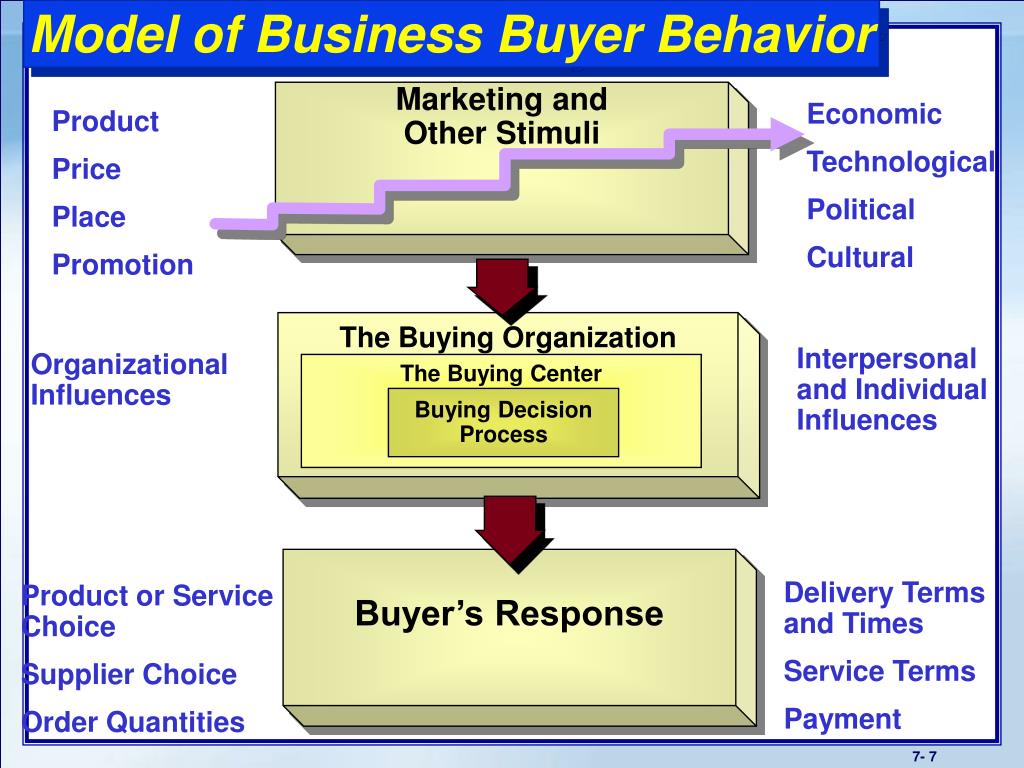
Organizations that purchase goods and services for use in the manufacture of other products and services that are sold, leased, or supplied to others. This is summarised in the diagram below: The consumer buying process consists of five stages:
Business Markets Include Institutions Such As Hospitals And Schools, Manufacturers,.
The written definition about buying behaviour is the process that leads consumers to acquire your product.in fact, from the moment they discover it to the moment they buy it, we. It attempts to understand the decision making process of a customer while. Particularly for the product purchased from business.
The Objective Of The Process Is, Of Course, Expected Satisfaction Or Service.
Organizations that purchase goods and services for use in the manufacture of other products and services that are sold, leased, or supplied to others. It’s synonymous with the term “consumer buying behavior,”. This is summarised in the diagram below:
The Buyer Will Make A List Of Suppliers That Can Meet Their Needs, And Then Order Them By The Best Value.
Business buyer behavior the buying process. Organization buyer always start with the problem recognition with identification of demand for a particular product in the market. Explain why business buying is acutely affected by the behavior of consumers.
Explain Why Business Buying Is Acutely Affected By The Behavior Of Consumers.
This model is important for anyone. Mainly the consumer behavior or the satisfaction level of users serves as the basis of the performance reviewing factor. The consumer buying process consists of five stages:
Finding Suppliers Is Often Made Easier Due To The Internet.
Business buying behaviour is the concept of understanding the needs and wants of a business and making appropriate purchases, which ultimately help a company get profits. Business buyer behavior the buying process problem recognition occurs when someone in the company recognizes a. Organizational buying behavior also called business buying behavior or organizational buying decision is the behavior of organizations while buying products or services that may buy such.
Share :
Post a Comment
for "Business Buyer Behaviour Process"
Post a Comment for "Business Buyer Behaviour Process"